Introduction
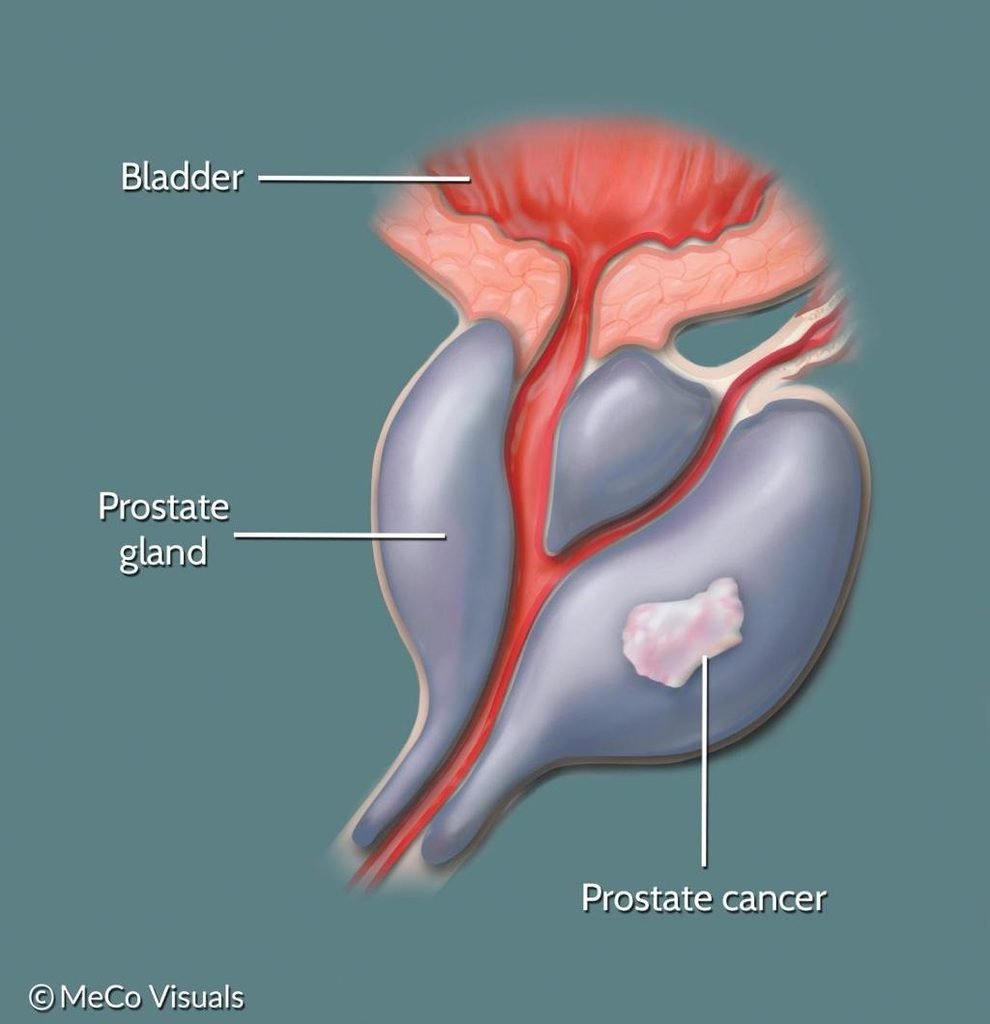
Prostate cancer is one of the most common cancers affecting men, particularly older adults. It develops when cells in the prostate gland begin to grow abnormally and multiply without normal control. The prostate is a small gland located below the bladder and in front of the rectum. It produces fluid that forms part of semen and supports sperm function.
In many cases, prostate cancer grows slowly and may not cause noticeable symptoms during its early stages. Some types, however, can grow more aggressively and spread to other parts of the body. Early diagnosis, appropriate medical evaluation, and a personalized treatment plan can make a significant difference in managing the disease.
Understanding the warning signs, risk factors, available screening tests, and treatment options can help men make informed decisions about their health. Although prostate cancer cannot always be prevented, awareness and timely medical care can improve the chances of detecting it before it becomes advanced.
What Is Prostate Cancer?
Prostate cancer occurs when abnormal cells develop in the prostate gland and begin multiplying uncontrollably. Most prostate cancers are adenocarcinomas, meaning they originate in the glandular cells responsible for producing prostate fluid.
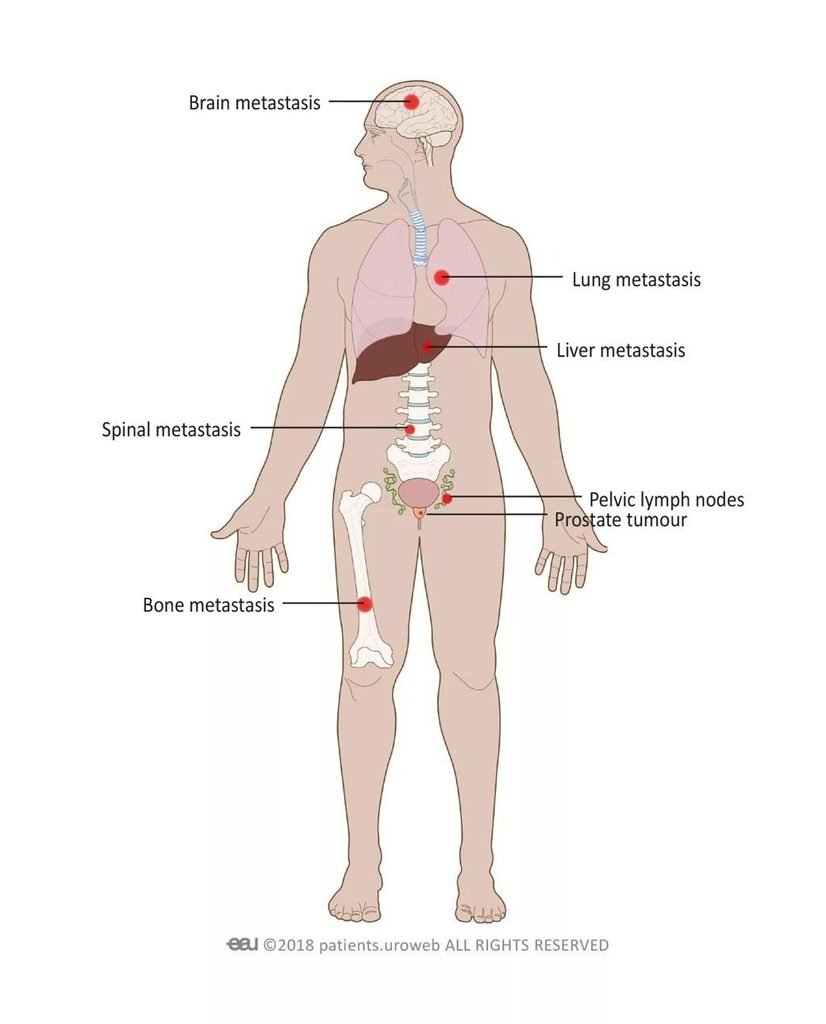
The disease can remain confined to the prostate for years or grow into nearby tissues and spread to distant organs. When cancer spreads beyond its original location, it is known as metastatic prostate cancer. The bones and lymph nodes are common sites of spread.
Not every prostate tumor behaves in the same way. Some cancers are considered low-risk and may require regular monitoring rather than immediate treatment. Others are more aggressive and need prompt medical intervention.
The appropriate approach depends on the cancer’s grade, stage, growth rate, the patient’s age, overall health, and personal preferences.
Common Symptoms of Prostate Cancer
Early prostate cancer frequently causes no symptoms. When symptoms develop, they may resemble those of benign prostatic hyperplasia (BPH), an enlargement of the prostate that is not cancerous.
Common symptoms include:
- Frequent urination, particularly at night.
- Difficulty starting urination.
- A weak or interrupted urine stream.
- Difficulty emptying the bladder completely.
- Pain or burning during urination.
- Blood in the urine or semen.
- Painful ejaculation.
- Persistent pain in the lower back, hips, or pelvis.
- Unexplained weight loss or fatigue in advanced disease.
These symptoms do not necessarily indicate cancer. Urinary problems are often caused by noncancerous conditions, infections, or other medical issues.
When to seek medical advice: Consult a healthcare professional if urinary changes persist, blood appears in the urine or semen, or unexplained pain develops. Inability to urinate suddenly requires urgent medical assessment.
Causes of Prostate Cancer
The exact cause of prostate cancer is not fully understood. The disease develops when changes in the DNA of prostate cells disrupt the normal processes that regulate cell growth and division.
Some DNA changes occur during a person’s lifetime, while others may be inherited from family members. These changes can allow abnormal cells to survive, multiply, and eventually form a tumor.
Several biological and environmental factors may influence the development of the disease, but having a risk factor does not mean that a person will inevitably develop cancer.
Genetic Changes
Inherited changes in genes such as BRCA1, BRCA2, and certain DNA-repair genes can increase the risk of prostate cancer. Some genetic changes are also associated with more aggressive disease.
Hormonal Influence
Androgens, including testosterone, help regulate normal prostate function. Prostate cancer cells may use androgen signaling to grow, which is why some treatments work by reducing androgen levels or blocking their effects.
Age-Related Changes
As men grow older, the likelihood of developing prostate cancer increases. Age-related cellular changes and the accumulation of genetic alterations may contribute to this increased risk.
Risk Factors for Prostate Cancer
Several factors can increase the likelihood of developing prostate cancer.
1. Age
Age is one of the strongest risk factors. The disease is uncommon in younger men and becomes more frequent after age 50.
2. Family History
Men whose fathers, brothers, or other close relatives have had prostate cancer may have a higher risk, particularly when relatives were diagnosed at a younger age or several family members are affected.
3. Inherited Genetic Mutations
Certain inherited mutations, including BRCA2, can increase the risk of developing prostate cancer and may influence how aggressively the disease behaves.
4. Ancestry
Prostate cancer occurs more frequently in men of African ancestry, who also experience higher rates of aggressive disease and mortality. Differences in genetics, access to healthcare, and other factors may contribute.
5. Excess Body Weight and Lifestyle
Obesity and some metabolic health conditions may be associated with an increased risk of advanced prostate cancer. A balanced diet, regular exercise, and maintaining a healthy weight support overall health, although they cannot guarantee prevention.
Types of Prostate Cancer
Most prostate cancers are adenocarcinomas, but other uncommon types can also develop.
- Acinar adenocarcinoma: The most common type, arising from glandular cells.
- Ductal adenocarcinoma: A less common type that develops in cells lining prostate ducts and may behave more aggressively.
- Small-cell neuroendocrine carcinoma: A rare, aggressive cancer that differs biologically from typical prostate adenocarcinoma.
- Other rare tumors: These include certain sarcomas and other unusual cancers involving the prostate.
Identifying the cancer type helps doctors select appropriate investigations and treatment.
Stages of Prostate Cancer
Cancer staging describes how far the disease has progressed. Doctors use examination findings, biopsy results, PSA levels, imaging, and other clinical information to determine the stage.

Stage 1: Early-Stage Cancer
The cancer is small or has a low-risk profile and remains within the prostate. It may be discovered during routine evaluation without causing symptoms.
Stage 2: Cancer Within the Prostate
The tumor may be larger or have a higher grade, but it has not spread beyond the prostate. Treatment depends on the precise risk category.

Stage 3: Locally Advanced Cancer
The cancer may extend outside the prostate or involve nearby structures, such as the seminal vesicles. Some stage 3 cancers can still be treated with curative intent.
Stage 4: Advanced Cancer
Cancer has spread to nearby lymph nodes or distant parts of the body, such as bones or other organs. Treatment focuses on controlling the disease, extending life, and relieving symptoms.
The exact staging system is more detailed than these general descriptions. Your healthcare team can explain what the specific findings mean for your prognosis and treatment options.
How Is Prostate Cancer Diagnosed?
Diagnosing prostate cancer usually involves several steps. No single blood test can confirm or exclude every case.
1. Medical History and Physical Examination
The doctor asks about urinary symptoms, family history, previous medical conditions, and other risk factors. A digital rectal examination (DRE) may be performed to assess the prostate for unusual firmness, lumps, or irregularities.
2. Prostate-Specific Antigen (PSA) Blood Test
The PSA test measures the level of prostate-specific antigen in the blood. An elevated result may indicate prostate cancer, but it can also occur with benign prostate enlargement, inflammation, infection, and other conditions.
A PSA result must therefore be interpreted in context. Depending on the findings, a doctor may repeat the test or recommend additional investigations.
3. Magnetic Resonance Imaging (MRI)
A prostate MRI provides detailed images that can help identify suspicious areas and guide decisions about whether a biopsy is necessary. It may also help doctors assess the extent of a tumor.
4. Prostate Biopsy
A biopsy involves collecting small tissue samples from the prostate for examination under a microscope. It is generally used to confirm the diagnosis and determine the cancer’s grade.
5. Additional Imaging
Depending on the suspected stage and risk level, doctors may recommend CT scans, bone imaging, or a PSMA PET scan to evaluate whether cancer has spread.
These investigations help establish an accurate diagnosis and guide the most appropriate treatment plan.
NCI
+2
Treatment Options for Prostate Cancer
Treatment varies according to the cancer’s stage, grade, PSA level, general health, and the patient’s preferences. Some men require immediate treatment, while others can safely undergo close monitoring.
Active Surveillance
Active surveillance is commonly considered for selected low-risk cancers. It involves regular PSA testing, clinical reviews, MRI when appropriate, and repeat biopsies when indicated.
Treatment can begin if the cancer shows signs of progression. This approach helps avoid or delay treatment-related side effects when immediate intervention is unlikely to provide substantial benefit.
Surgery
A radical prostatectomy involves removing the prostate gland and, in some cases, nearby tissues or lymph nodes.
Surgery may be suitable for men whose cancer is confined to the prostate or selected patients with locally advanced disease. Potential side effects include urinary incontinence and erectile dysfunction.
Radiation Therapy
Radiation therapy uses high-energy radiation to destroy cancer cells. It may be delivered externally or through internal radiation techniques such as brachytherapy.
Radiation may be used alone for selected localized cancers or combined with hormone therapy for certain higher-risk cases. Possible side effects include urinary irritation, bowel changes, fatigue, and sexual difficulties.
Hormone Therapy
Hormone therapy, also called androgen deprivation therapy, reduces testosterone production or blocks its effects on cancer cells.
It is commonly used for advanced disease and may be combined with radiation or other systemic treatments. Side effects can include hot flashes, reduced sexual desire, loss of muscle mass, bone thinning, and metabolic changes.
Chemotherapy
Chemotherapy uses medicines that damage or destroy rapidly dividing cancer cells. It may be recommended when the disease is advanced, particularly when additional systemic treatment is needed.
The choice of medicines depends on the cancer’s characteristics and previous treatments.
Targeted Therapy and Immunotherapy
Certain patients may benefit from targeted medicines or immunotherapy, particularly when genetic testing or other tumor characteristics identify a suitable treatment option.
These therapies are not appropriate for every patient, and eligibility depends on specific clinical findings.
Treatment for Metastatic Disease
When cancer spreads to distant organs, treatment often focuses on slowing its progression, relieving pain, maintaining quality of life, and prolonging survival. Options may include hormone therapy, newer androgen-receptor medicines, chemotherapy, targeted radiation, or combinations of treatments.
Palliative care can also help manage pain, fatigue, emotional distress, and other symptoms at any stage of the disease.
CDC
+2
Can Prostate Cancer Be Prevented?
There is currently no guaranteed method to prevent prostate cancer. Some risk factors, such as age and inherited genetic changes, cannot be changed. However, healthy habits can support general well-being and may help reduce certain health risks.
Practical steps include:
- Maintain a healthy weight: Aim for a balanced lifestyle and avoid excessive weight gain.
- Exercise regularly: Walking, cycling, swimming, and other physical activities can improve overall health.
- Eat a balanced diet: Include vegetables, fruits, whole grains, legumes, and a variety of nutrient-rich foods.
- Avoid smoking: Smoking is harmful to overall health and may be associated with poorer outcomes in some cancers.
- Understand your family history: Discuss early or multiple cases of prostate cancer in close relatives with your doctor.
- Discuss screening individually: Consider your age, family history, health, and the possible benefits and harms of testing.
No supplement, special diet, or herbal remedy has been proven to prevent prostate cancer reliably. Do not use supplements as a replacement for appropriate medical care.
Prostate Cancer Screening: When Should Men Get Tested?
Screening aims to identify cancer before symptoms appear. The PSA blood test is commonly used, but testing can also identify cancers that would never have caused significant harm.
This can lead to unnecessary investigations or treatment and potential side effects. For this reason, screening decisions should involve an informed discussion with a healthcare professional.
The American Cancer Society advises that discussions about screening generally begin around age 50 for men at average risk, age 45 for men at higher risk, and age 40 for some men at particularly high risk. Recommendations vary among medical organizations and according to individual circumstances.
Men with a strong family history or known inherited genetic risk may need an earlier discussion. Anyone experiencing concerning symptoms should seek medical evaluation rather than waiting for a routine screening age.
NCI
+2
Living With Prostate Cancer
A prostate cancer diagnosis can affect physical health, relationships, emotional well-being, and daily activities. Access to reliable information and supportive healthcare can help patients navigate treatment and recovery.
Consider the following strategies:
- Attend scheduled follow-up appointments and complete recommended tests.
- Discuss urinary, bowel, or sexual side effects openly with your healthcare team.
- Maintain physical activity within your abilities and follow individualized nutritional advice.
- Seek psychological support or join a suitable cancer support group if needed.
- Ask about fertility preservation before treatment if having children in the future is important to you.
- Discuss all medicines and supplements with your treating team to avoid harmful interactions.
After treatment, follow-up may include PSA testing and additional investigations when indicated. The frequency of monitoring depends on the treatment received and the risk of recurrence.
What Is the Outlook for Prostate Cancer?
The outlook varies considerably between individuals. Many men with localized, slow-growing prostate cancer live for many years, and some never require active treatment. More aggressive cancers and cancers that have spread to distant organs generally require more intensive management.
Important factors affecting prognosis include the cancer’s stage, grade, PSA level, response to treatment, age, and overall health.
An individual prognosis cannot be determined from symptoms alone. A specialist can explain the likely course of the disease after reviewing biopsy results, imaging, and other clinical findings.
Conclusion
Prostate cancer is a common condition that can range from a slow-growing tumor to an aggressive disease that spreads to other parts of the body. Early-stage cancer may not cause noticeable symptoms, making awareness of risk factors and informed screening discussions important.
Diagnosis may involve PSA testing, physical examination, MRI, biopsy, and additional imaging when needed. Treatment options include active surveillance, surgery, radiation therapy, hormone therapy, chemotherapy, and selected targeted treatments.
Although prostate cancer cannot always be prevented, maintaining a healthy lifestyle and seeking medical advice about persistent urinary changes or other concerning symptoms can support better health decisions. Men with a family history of prostate cancer should discuss their personal risk with a healthcare professional.
The most suitable approach is always individualized. Early evaluation, accurate diagnosis, and regular follow-up can help patients understand their options and make informed decisions about their care.
Frequently Asked Questions (FAQs)
1. What is the first sign of prostate cancer?
There may be no early warning sign. When symptoms occur, they can include difficulty starting urination, a weak urine stream, frequent urination at night, or blood in the urine or semen.
2. Can prostate cancer be cured?
Many localized prostate cancers can be treated with curative intent. The likelihood of successful treatment depends on the cancer’s stage, grade, and other clinical factors. Advanced disease may be controlled for extended periods, although a cure is less likely.
3. At what age does prostate cancer usually develop?
The risk increases with age, particularly after 50. However, younger men can also develop the disease, especially when they have certain inherited risk factors or a strong family history.
4. Is prostate cancer painful?
Early prostate cancer is often painless. Pain in the back, hips, or pelvis may occur when the disease becomes advanced or spreads to the bones, although these symptoms can have other causes.
5. Does a high PSA level always mean prostate cancer?
No. PSA can rise because of benign prostate enlargement, inflammation, infection, and other factors. A doctor may recommend repeat testing, MRI, or a biopsy depending on the overall findings.
6. How is prostate cancer confirmed?
A prostate biopsy is generally used to confirm the diagnosis by examining tissue under a microscope. PSA testing, physical examination, MRI, and other imaging help assess the likelihood and extent of disease.
7. Can prostate cancer affect sexual function?
Yes. Prostate cancer itself and treatments such as surgery, radiation, and hormone therapy can affect erections, sexual desire, and ejaculation. The type and duration of these effects vary by treatment and individual.
8. Does prostate cancer spread to other organs?
Yes. Advanced prostate cancer can spread to nearby lymph nodes, bones, and sometimes organs such as the liver or lungs. The likelihood depends on the cancer’s aggressiveness and stage.
9. Can a healthy diet prevent prostate cancer?
No diet has been proven to prevent prostate cancer completely. Eating a balanced diet, exercising regularly, and maintaining a healthy weight support general health but cannot eliminate the risk.
10. When should someone see a doctor for possible prostate cancer?
Seek medical advice for persistent urinary difficulties, blood in the urine or semen, or unexplained pain in the back, hips, or pelvis. Sudden inability to urinate requires urgent medical attention.