Introduction
Sniffles are a very common health issue that almost everyone experiences at some point in life. A runny nose, blocked nasal passages, repeated sneezing, and the constant need to clear the nose are all familiar signs of sniffles. Although sniffles are usually mild and temporary, they can become uncomfortable and affect daily activities such as sleeping, working, studying, and focusing.
The word “sniffles” is generally used to describe nasal symptoms caused by irritation, infection, or allergies. It happens when the tissues inside the nose become irritated and start producing extra mucus. This mucus helps the body remove viruses, allergens, dust, and other unwanted particles. However, increased mucus production also causes symptoms like a runny nose and congestion.
It can happen for many reasons. Some people experience them during cold weather, while others develop symptoms because of seasonal allergies, common cold viruses, pollution, or exposure to irritants. Understanding the cause of sniffles is important because the best way to manage them depends on what is triggering the symptoms.
For most people, sniffles improve naturally within a short time. Simple steps such as drinking enough fluids, resting, using saline sprays, and avoiding triggers can provide relief. However, long-lasting or severe symptoms may require medical attention.
This complete guide explains everything about it, including their causes, symptoms, treatment options, home remedies, prevention methods, and frequently asked questions.
What Are Sniffles?
They are a group of nasal symptoms that usually include a runny nose, sneezing, congestion, and increased mucus production. They are not a disease themselves but are a sign that the nose is reacting to something.
The nose plays an important role in protecting the respiratory system. It filters the air we breathe and traps dust, bacteria, viruses, and other particles. The mucus produced inside the nose keeps the nasal passages moist and helps remove harmful substances.
When the body detects an infection or irritation, the immune system creates an inflammatory response. This response causes the nasal tissues to swell and produce more mucus. The result is what people commonly call sniffles.
It can affect people of all ages, including babies, children, adults, and older individuals. While they are usually harmless, they can sometimes indicate another condition that needs attention.
Common Causes of Sniffles
There are several possible causes of sniffles. Identifying the cause can help people choose the right treatment and reduce discomfort.
Common Cold
The common cold is one of the most frequent reasons people experience sniffles. It is caused by viruses that infect the upper respiratory system.
When a cold virus enters the body, the immune system responds by attacking the infection. This causes inflammation in the nose and increases mucus production.
Cold-related sniffles often appear with other symptoms such as:
- Sneezing
- Mild cough
- Sore throat
- Tiredness
- Watery eyes
- Slight body discomfort
Most common colds improve within a few days to one or two weeks. Rest and proper care usually help the body recover.
Allergies
Allergies are another major cause of sniffles. They happen when the immune system reacts to harmless substances as if they are dangerous.
Common allergy triggers include:
- Pollen
- Dust
- Pet hair
- Mold
- Strong smells
- Certain chemicals
When a person encounters an allergen, the body releases histamine. This chemical causes inflammation and leads to symptoms such as sneezing, itching, watery eyes, and a runny nose.
Unlike a cold, allergy symptoms may continue for a longer period if the person remains exposed to the trigger.
Flu
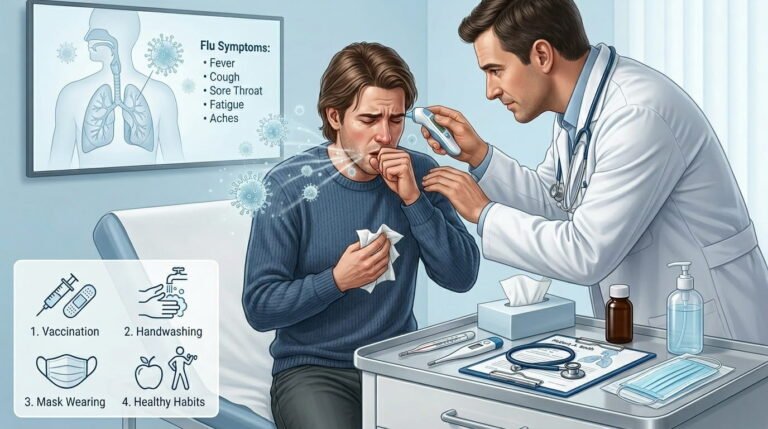
Influenza, commonly known as flu, can also cause it. However, flu symptoms are usually stronger than a normal cold.
Flu may cause:
- High fever
- Body aches
- Chills
- Extreme tiredness
- Dry cough
- Nasal congestion
People with flu often feel more sick overall compared with those who only have mild it.
Weather Changes
Weather conditions can affect nasal health. Cold air and low humidity can dry out the nasal passages and cause irritation.
Some people experience it when moving from warm indoor areas to cold outdoor environments. Sudden temperature changes can trigger increased mucus production.
Dry weather may also make the nose feel uncomfortable and increase sensitivity.
Environmental Irritants
Certain substances can irritate the nose and cause sniffles. These include:
- Smoke
- Pollution
- Dust
- Perfumes
- Cleaning products
- Chemical fumes
The nose reacts to these irritants by producing extra mucus to protect the body.
Symptoms of Sniffles
It may appear differently depending on the cause. Common symptoms include:
Runny Nose
A runny nose happens when the nasal passages produce excess mucus. The discharge is often clear during allergies or early stages of a cold.
Blocked Nose
Nasal congestion occurs when tissues inside the nose become swollen. This can make breathing difficult and affect sleep.
Sneezing
Sneezing helps remove irritants from the nose. Frequent sneezing is common with allergies and infections.
Watery Eyes
Watery eyes often occur with allergy-related it because the immune response affects both the nose and eyes.
Throat Irritation
Extra mucus can move down the throat, causing irritation and coughing. This is known as postnasal drip.
How Long Do Sniffles Last?
The duration of sniffles depends on the underlying cause.
Cold-related usually improve within 7 to 14 days. Symptoms often become weaker as the immune system fights the virus.
Allergy-related sniffles can last for weeks or months, especially during allergy seasons.
It caused by environmental irritants usually improve after avoiding the trigger.
If symptoms continue for a long time or become worse, professional medical advice may be necessary.
Best Home Remedies for Sniffles
Many people can manage it at home using simple methods.
Drink Plenty of Water
Staying hydrated helps keep mucus thin and easier to remove. Warm drinks can also provide comfort.
Use Steam
Steam from a warm shower or humidifier can help loosen mucus and reduce nasal discomfort.
Try Saline Spray
Saline nasal sprays help moisturize nasal passages and remove excess mucus naturally.
Get Enough Sleep
Rest supports the immune system and helps the body recover faster.
Keep the Environment Clean
Reducing dust and allergens at home can help prevent irritation and improve symptoms.
Medical Treatment for Sniffles
Treatment depends on the cause of it.
For allergies, doctors may recommend antihistamines to reduce symptoms.
For congestion, some people use nasal sprays or decongestants. These should be used carefully and according to medical advice.
For viral infections, treatment usually focuses on symptom relief because antibiotics do not work against viruses.
Sniffles in Babies and Children
Children commonly experience it because their immune systems are still developing.
Young children may catch colds frequently, especially when they attend school or daycare.
Parents can help children by:
- Keeping them hydrated
- Helping them rest
- Using safe nasal cleaning methods
- Maintaining a comfortable room environment
Medical advice should be considered if a child has breathing problems, high fever, or symptoms that do not improve.
How to Prevent it
Preventing sniffles involves reducing exposure to viruses and irritants.
Good prevention habits include:
- Washing hands regularly
- Avoiding touching the face with dirty hands
- Keeping living spaces clean
- Managing allergies properly
- Staying healthy through good nutrition and sleep
People with allergies should identify their triggers and reduce exposure whenever possible.
When Should You See a Doctor?
Most are temporary and improve naturally. However, medical advice may be needed if symptoms become serious.
Contact a healthcare professional if you experience:
- Difficulty breathing
- Severe facial pain
- High fever
- Symptoms lasting several weeks
- Worsening congestion
- Unusual tiredness
A doctor can determine the cause and suggest suitable treatment.
Frequently Asked Questions About Sniffles
1.What are sniffles caused by?
Sniffles are commonly caused by colds, allergies, flu, weather changes, and environmental irritants.
2.Are sniffles contagious?
Sniffles themselves are not contagious, but sniffles caused by viruses like the common cold can spread to others.
3.How can I get rid of sniffles quickly?
Rest, hydration, steam, saline sprays, and avoiding triggers can help reduce symptoms.
4.Are sniffles always caused by a cold?
No. Allergies, pollution, and weather changes can also cause sniffles.
5.How long do sniffles usually last?
Cold-related sniffles usually improve within one to two weeks, while allergy symptoms may last longer.
6.Can allergies cause daily sniffles?
Yes, people with allergies may experience frequent or daily sniffles when exposed to allergens.
7.Should I take antibiotics for sniffles?
No. Antibiotics do not treat viral infections that commonly cause sniffles.
8.Can babies have sniffles?
Yes, babies can experience sniffles due to colds, allergies, or irritation.
9.Why do I get sniffles in winter?
Cold air and dry conditions can irritate nasal passages and increase mucus production.
10.When should sniffles be checked by a doctor?
You should seek medical advice if symptoms are severe, long-lasting, or accompanied by breathing problems.
Conclusion
Sniffles are a common symptom that can happen because of infections, allergies, weather changes, or environmental irritation. Although they are usually mild, they can affect comfort and daily activities.
Understanding the reason behind sniffles is the best way to manage them effectively. Simple steps like staying hydrated, getting enough rest, avoiding triggers, and maintaining good hygiene can help reduce symptoms.
Most people recover from it without serious treatment. However, persistent or severe symptoms should always be checked by a healthcare professional. With proper care and prevention, people can maintain better nasal health and reduce the chances of frequent sniffles.