Introduction
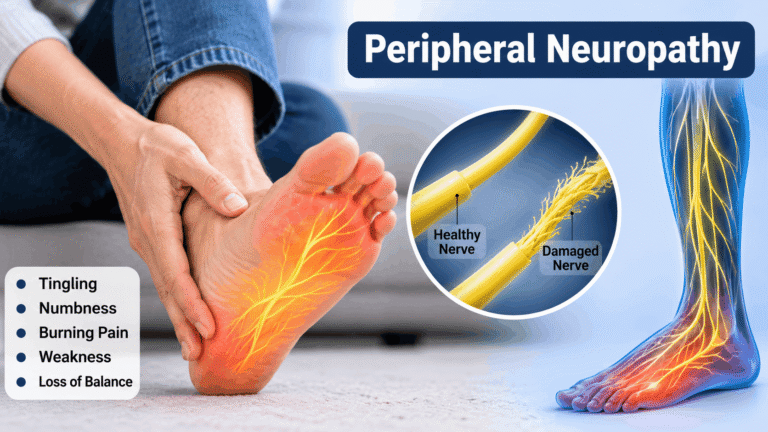
Restless Legs Syndrome (RLS) is a neurological condition that causes an uncomfortable urge to move the legs, particularly during periods of rest or inactivity. People often describe the sensation as crawling, tingling, pulling, itching, or aching deep inside their legs. These feelings usually become worse in the evening or at night and may interfere with sleep.
Also known as Willis-Ekbom disease, restless legs syndrome can affect people of different ages, although it becomes more common with increasing age. Symptoms range from mild occasional discomfort to persistent problems that affect sleep, concentration, and daily activities.
Although there is no permanent cure for RLS, identifying contributing factors, improving sleep habits, and using appropriate medical treatments can help control symptoms and improve quality of life.
What Is Restless Legs Syndrome?
Restless Legs Syndrome is a neurological movement disorder characterized by an uncomfortable sensation in the legs and a strong desire to move them.
Symptoms typically begin or become worse when a person is sitting, lying down, or trying to sleep. Moving the legs, walking, stretching, or changing position often provides temporary relief.
The condition can affect one or both legs and sometimes involves the arms. Its symptoms usually follow a daily pattern, becoming more noticeable during the evening and nighttime.
RLS is different from ordinary muscle cramps because the discomfort is generally associated with an urge to move rather than a sudden involuntary muscle contraction.
Symptoms of Restless Legs Syndrome
The symptoms of RLS vary from person to person. Some individuals experience mild sensations occasionally, while others have frequent discomfort that disrupts their sleep.
Common symptoms include:
- An uncontrollable urge to move the legs.
- Crawling or creeping sensations.
- Tingling or prickling feelings.
- Pulling or throbbing discomfort.
- Itching sensations beneath the skin.
- Aching or burning feelings.
- Symptoms that become worse during rest.
- Temporary relief after walking or stretching.
- Difficulty falling asleep.
- Frequent nighttime awakenings.
Symptoms at Night
Many people experience stronger symptoms in the evening and at night. This pattern can make it difficult to relax, fall asleep, or remain asleep throughout the night.
Repeated sleep disruption may cause daytime fatigue, irritability, difficulty concentrating, and reduced productivity.
Symptoms During Inactivity
RLS symptoms may appear during activities that involve sitting still, such as watching television, traveling in a car, attending meetings, or sitting through a long flight.
Moving the legs or taking a short walk often provides temporary relief.
Causes of Restless Legs Syndrome
The exact cause of restless legs syndrome is not completely understood. However, researchers believe that changes in brain dopamine signaling and iron regulation may contribute to the condition.
RLS can occur without an identifiable underlying cause or develop in association with other health conditions.
1. Dopamine Dysfunction
Dopamine is a chemical messenger involved in controlling movement. Changes in dopamine-related pathways may contribute to the uncomfortable sensations and movement urges associated with RLS.
2. Iron Deficiency
Iron is essential for normal brain function and dopamine regulation. Low iron levels, particularly reduced iron stores in the body, are associated with restless legs syndrome.
Some people develop RLS even when their general blood count appears normal, which is why checking ferritin levels may be important.
3. Genetic Factors
Restless legs syndrome can run in families. People with a close relative who has the condition may have a greater likelihood of developing symptoms.
Genetic factors are particularly relevant when symptoms begin at a younger age.
4. Pregnancy
Some women develop RLS during pregnancy, particularly in the later stages. Changes in iron levels, hormonal activity, and circulation may contribute.
Symptoms often improve after delivery, although pregnancy can temporarily make the condition more uncomfortable.
5. Chronic Medical Conditions
Certain health problems are associated with an increased risk of RLS, including:
- Chronic kidney disease.
- Iron-deficiency anemia.
- Diabetes with peripheral neuropathy.
- Parkinson’s disease.
- Certain neurological conditions.
Having one of these conditions does not mean that someone will necessarily develop restless legs syndrome.
Risk Factors for Restless Legs Syndrome
Several factors may increase the likelihood of developing RLS.
Family History
A genetic tendency may increase susceptibility, especially when symptoms begin before middle age.
Age
RLS can occur at any age, but symptoms often become more common or severe with increasing age.
Pregnancy
Pregnancy may temporarily increase the risk, particularly during the third trimester.
Iron Deficiency
Low iron stores are an important risk factor and may contribute to both the development and worsening of symptoms.
Chronic Kidney Disease
People with advanced kidney disease, particularly those receiving dialysis, may experience restless legs symptoms more frequently.
Certain Medications
Some medicines can trigger or worsen RLS symptoms, including certain:
- Antidepressants.
- Antipsychotics.
- Antihistamines.
- Anti-nausea medications that block dopamine.
Patients should not stop prescribed medicines independently. A healthcare professional can review treatment options and identify possible medication-related triggers.
How Is Restless Legs Syndrome Diagnosed?
There is no single blood test or imaging scan that confirms RLS. Diagnosis is usually based on symptoms, medical history, and physical examination.
Doctors generally assess whether the patient meets five essential clinical criteria:
- There is an urge to move the legs, usually accompanied by uncomfortable sensations.
- Symptoms begin or worsen during periods of rest or inactivity.
- Movement provides partial or complete relief.
- Symptoms occur mainly in the evening or at night, or are worse during these periods.
- Symptoms are not better explained by another medical or behavioral condition.
Blood Tests
Blood tests may help identify contributing conditions.
Common investigations include:
- Complete blood count (CBC).
- Serum ferritin.
- Serum iron.
- Total iron-binding capacity (TIBC).
- Transferrin saturation.
- Kidney function tests.
- Blood glucose testing when clinically indicated.
Iron studies are particularly important because low iron stores may contribute to RLS even without anemia.
Sleep Assessment
A doctor may ask about sleep quality, daytime tiredness, nighttime movements, and possible sleep disorders.
A sleep study is not routinely required to diagnose RLS. However, polysomnography may be recommended when another sleep disorder is suspected.
Treatment for Restless Legs Syndrome
Treatment depends on symptom severity, underlying causes, and the effect of the condition on sleep and daily life.
Some people improve by correcting iron deficiency and making lifestyle changes. Others may need prescription medication.
1. Iron Supplementation
Iron supplementation may help people whose laboratory results indicate low iron stores.
Doctors may assess ferritin and transferrin saturation before recommending treatment. Oral or intravenous iron may be considered depending on iron levels, absorption, tolerance, and clinical circumstances.
Iron should not be taken in high doses without medical advice because excessive iron can be harmful.
2. Alpha-2-Delta Ligands
Medicines such as gabapentin, gabapentin enacarbil, and pregabalin may be prescribed for persistent symptoms.
They work by affecting certain nerve signaling pathways and can help reduce uncomfortable sensations and improve sleep.
Possible side effects include dizziness, drowsiness, and fatigue. These medicines require careful dosing, particularly in people with kidney problems.
3. Dopamine-Related Medications
Medicines such as pramipexole, ropinirole, and rotigotine have been used to manage RLS by acting on dopamine pathways.
However, long-term use can cause a complication called augmentation, in which symptoms begin earlier in the day, become more intense, or spread to other body parts.
Because of this risk, dopamine agonists are no longer generally preferred as routine first-line long-term treatment for many adults.
4. Opioid Medications
In selected patients with severe RLS that has not responded to other treatments, a specialist may consider low-dose opioid therapy.
These medicines carry risks such as dependence, sedation, constipation, and respiratory suppression. They require careful supervision and are not appropriate for routine self-treatment.
5. Treatment of Underlying Conditions
If RLS is associated with iron deficiency, kidney disease, pregnancy, or another medical condition, managing the underlying problem may help reduce symptoms.
A healthcare professional should also review medicines that may worsen the condition.
Home Remedies and Lifestyle Changes
Lifestyle adjustments can help some people manage mild or moderate symptoms.
Regular Exercise
Gentle physical activity may improve symptoms and support better sleep.
Useful activities include:
- Walking.
- Swimming.
- Light cycling.
- Gentle stretching.
- Yoga.
Avoid excessive or intense exercise close to bedtime if it makes symptoms worse.
Warm Baths
Taking a warm bath before bedtime may help relax muscles and reduce discomfort.
Some people also find warm or cool compresses soothing.
Leg Massage
Gentle massage may temporarily reduce uncomfortable sensations and help the legs feel more relaxed.
Maintain a Regular Sleep Schedule
Going to bed and waking up at consistent times can support a healthier sleep routine.
Keep the bedroom comfortable, dark, and quiet.
Limit Caffeine and Alcohol
Caffeine may worsen symptoms in some individuals, particularly when consumed later in the day. Alcohol can also interfere with sleep and may aggravate symptoms.
Reducing or avoiding these substances may help identify personal triggers.
Avoid Nicotine
Nicotine can affect sleep and may contribute to symptom aggravation. Avoiding tobacco products is beneficial for overall health.
Restless Legs Syndrome and Sleep Problems
One of the biggest challenges of RLS is its effect on sleep. Symptoms often become more noticeable when a person lies down, making it difficult to fall asleep.
Repeated interruptions can lead to insufficient sleep and daytime problems, including:
- Excessive tiredness.
- Poor concentration.
- Irritability.
- Reduced work performance.
- Mood changes.
- Difficulty maintaining daily routines.
Some people with RLS also experience periodic limb movements during sleep. These are repeated involuntary leg movements that may occur while the person is asleep.
Although periodic limb movements and RLS are related, they are not the same condition.
Possible Complications of Restless Legs Syndrome
RLS is not usually life-threatening, but persistent symptoms can affect physical and emotional well-being.
Chronic Sleep Deprivation
Repeated difficulty sleeping may cause ongoing fatigue and reduce daytime functioning.
Anxiety and Stress
Constant discomfort and disrupted sleep may increase stress and frustration.
Reduced Quality of Life
Severe symptoms can interfere with travel, social activities, work, and relaxation.
Mood Changes
Long-term sleep disturbance may contribute to irritability, low mood, and difficulty concentrating.
Managing RLS early can help reduce these effects and improve daily comfort.
When to See a Doctor
Consult a healthcare professional if leg sensations repeatedly interfere with sleep, relaxation, or daily activities.
Medical evaluation is particularly important when symptoms are frequent, worsening, or associated with other health concerns.
Seek urgent assessment if leg discomfort occurs with sudden one-sided swelling, redness, warmth, or severe pain, particularly when accompanied by chest pain or shortness of breath. These symptoms may indicate a blood clot or another urgent condition rather than RLS.
Conclusion
Restless Legs Syndrome is a neurological condition that causes an uncomfortable urge to move the legs, especially during rest and nighttime. Symptoms such as crawling sensations, tingling, aching, and sleep disruption can affect daily life when left unmanaged. Iron deficiency, genetic factors, pregnancy, and certain medical conditions may contribute to its development. Although there is no permanent cure, identifying triggers, correcting low iron levels, improving sleep habits, and using appropriate medications can provide meaningful relief. Anyone experiencing persistent symptoms should seek medical evaluation for an accurate diagnosis and suitable treatment.
Frequently Asked Questions (FAQs)
1. What is the main cause of restless legs syndrome?
The exact cause is not fully understood. Changes in dopamine signaling and iron regulation in the brain may contribute. Genetic factors and certain medical conditions can also play a role.
2. What does restless legs syndrome feel like?
People may experience crawling, tingling, pulling, itching, burning, or aching sensations deep inside their legs. These feelings are usually accompanied by a strong urge to move.
3. Why are restless legs symptoms worse at night?
RLS commonly follows a daily pattern in which symptoms become more noticeable during the evening and nighttime. This can make relaxing and falling asleep difficult.
4. Can iron deficiency cause restless legs syndrome?
Yes. Low iron stores are associated with RLS and may contribute to its development or worsening. A doctor may recommend iron studies to determine whether supplementation is appropriate.
5. Is restless legs syndrome a neurological disorder?
Yes. RLS is classified as a neurological sensorimotor disorder because it involves abnormal sensations and an urge to move the legs.
6. How is restless legs syndrome diagnosed?
Diagnosis is mainly based on characteristic symptoms, medical history, and examination. Blood tests may help identify iron deficiency or other contributing conditions.
7. What is the best treatment for restless legs syndrome?
Treatment depends on the cause and severity. Correcting iron deficiency, reviewing medications, and using medicines such as gabapentin or pregabalin may help selected patients.
8. Can restless legs syndrome go away permanently?
Some cases improve when an underlying cause, such as pregnancy-related changes or iron deficiency, is addressed. However, chronic or genetically associated RLS may require ongoing management.
9. Does walking help restless legs syndrome?
Yes. Walking, stretching, or gentle movement often provides temporary relief. However, symptoms may return when the person sits or lies down again.
10. Is restless legs syndrome dangerous?
RLS is not usually life-threatening, but persistent symptoms can cause sleep deprivation, fatigue, and reduced quality of life. Medical assessment helps identify contributing conditions and appropriate treatment.