Introduction
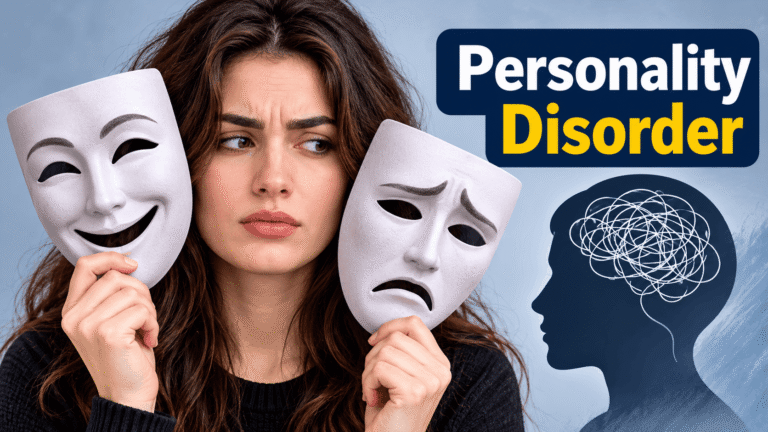
Body dysmorphia, medically known as body dysmorphic disorder (BDD), is a mental health condition in which a person becomes excessively concerned about one or more perceived flaws in their physical appearance. These concerns may involve features that other people barely notice or do not consider unusual.
Someone experiencing this condition may spend hours thinking about their skin, nose, hair, facial features, body shape, or another physical characteristic. Even when friends and family offer reassurance, the worry can remain intense and difficult to control.
Body dysmorphic disorder is more than ordinary dissatisfaction with appearance. It can affect relationships, education, work, confidence, and everyday activities. Fortunately, effective treatments are available, and professional support can help people manage symptoms and improve their quality of life.
What Is Body Dysmorphia?
Body dysmorphia is a psychiatric condition characterized by persistent thoughts about perceived physical imperfections. A person may believe that a particular feature looks abnormal, unattractive, or embarrassing, even when the concern is minor or not apparent to others.
For example, someone may repeatedly examine their nose, spend excessive time covering acne marks, or avoid photographs because they believe their face looks unattractive.
People with BDD may also develop repetitive behaviors intended to reduce their anxiety. These can include checking mirrors, comparing their appearance with others, applying makeup repeatedly, or seeking reassurance about how they look.
The condition is classified within the obsessive-compulsive and related disorders category. It can affect people of any gender and often begins during adolescence or early adulthood.
BDD is not vanity, weakness, or simply an interest in beauty. It is a treatable mental health condition that deserves understanding and appropriate care.
Common Symptoms of Body Dysmorphia
Symptoms can vary between individuals. Some people focus on one particular feature, while others worry about several areas of their appearance.
1. Constant Concern About Physical Appearance
A person may spend a significant part of the day thinking about a perceived flaw. These thoughts can become intrusive and interfere with concentration, relaxation, and normal activities.
2. Frequent Mirror Checking
Repeatedly checking mirrors, phone cameras, or reflective surfaces is common. Some people examine the same feature from different angles, looking for signs that confirm their concerns.
Others may avoid mirrors entirely because seeing their reflection causes distress.
3. Comparing Appearance With Others
People with BDD may frequently compare their face, skin, hair, or body with friends, celebrities, or people on social media. These comparisons can increase feelings of inadequacy.
4. Excessive Grooming
Some individuals spend long periods styling their hair, applying makeup, shaving, or adjusting clothing to hide a perceived imperfection.
These activities may temporarily reduce anxiety but often do not provide lasting relief.
5. Skin Picking
Repeatedly touching, squeezing, or picking at the skin may occur when someone becomes preoccupied with acne, pores, scars, or skin texture.
This behavior can cause irritation, wounds, infection, and additional scarring.
6. Seeking Reassurance
A person may repeatedly ask family members, friends, or partners whether a particular feature looks normal. Reassurance may provide temporary comfort, but the same doubts can quickly return.
7. Avoiding Social Situations
Appearance-related anxiety may lead someone to avoid photographs, gatherings, school, work, dating, or public places.
In more severe cases, a person may spend much of their time at home because they feel uncomfortable being seen by others.
8. Repeated Interest in Cosmetic Procedures
Some individuals repeatedly research or seek cosmetic treatments to correct the feature that concerns them. They may remain dissatisfied even after procedures that produce the requested physical change.
This is especially important for dermatologists and aesthetic practitioners to recognize before recommending cosmetic interventions.
Common Areas of Appearance Concern
Body dysmorphic disorder can involve almost any part of the body. Common concerns include:
- Skin: Acne, scars, pores, wrinkles, pigmentation, or perceived skin irregularities.
- Nose: Beliefs that the nose is too large, too small, or uneven.
- Hair: Concerns about hairline, thinning, texture, or hair density.
- Face: Worries about facial symmetry, jawline, cheeks, or overall facial appearance.
- Eyes: Concerns about eye shape, eyelids, or under-eye appearance.
- Teeth: Excessive concern about tooth color, alignment, or shape.
- Body shape: Preoccupation with particular body proportions or muscularity.
The feature itself does not determine whether someone has BDD. The intensity of the preoccupation, repetitive behaviors, emotional distress, and effect on daily functioning are more important.
Causes and Risk Factors of Body Dysmorphia
There is no single established cause of body dysmorphic disorder. Research suggests that biological, psychological, and environmental factors may contribute to its development.
1. Genetic Factors
A family history of BDD, obsessive-compulsive disorder, depression, or related mental health conditions may increase susceptibility.
However, having a family member with one of these conditions does not mean someone will necessarily develop BDD.
2. Brain Function and Information Processing
Differences in how the brain processes visual information, emotional responses, and attention may contribute to symptoms.
People with BDD may focus intensely on small details of their appearance rather than seeing their overall features in a balanced way.
3. Childhood Bullying
Repeated teasing about weight, facial features, skin, hair, or other physical characteristics can negatively influence self-image.
Bullying does not automatically cause BDD, but difficult childhood experiences may contribute to vulnerability.
4. Low Self-Esteem
People who struggle with self-confidence or perfectionistic thinking may be more vulnerable to developing unhealthy appearance-related concerns.
5. Traumatic Experiences
Emotional abuse, neglect, humiliation, or other distressing experiences may contribute to difficulties with body image and self-perception.
6. Social Media and Beauty Standards
Frequent exposure to edited photographs, filters, cosmetic trends, and unrealistic beauty standards may intensify appearance comparisons.
Social media is not a proven single cause of BDD, but image-focused online environments may worsen existing concerns in some individuals.
Body Dysmorphia vs. Normal Appearance Concerns
It is normal to dislike certain features or want to improve personal appearance. However, body dysmorphic disorder involves a much greater level of distress and repetitive thinking.
| Normal appearance concerns | Body dysmorphic disorder |
|---|---|
| Occasional dissatisfaction | Persistent appearance-related preoccupation |
| Usually manageable thoughts | Thoughts can be difficult to control |
| Limited time spent checking appearance | Repeated or excessive checking |
| Daily activities remain mostly unaffected | Work, relationships, or social activities may suffer |
| Cosmetic changes may satisfy the person | Dissatisfaction may continue despite changes |
A mental health professional can determine whether someone’s symptoms meet the diagnostic criteria for BDD.
How Body Dysmorphia Affects Daily Life
Body dysmorphic disorder can influence many areas of everyday functioning.
Emotional Health
Persistent appearance-related thoughts may contribute to anxiety, shame, frustration, sadness, and low self-esteem. Some individuals experience depression alongside BDD.
Relationships
A person may avoid intimacy, social gatherings, or photographs. Repeated requests for reassurance can also create stress within close relationships.
Education and Work
Appearance concerns may make it difficult to concentrate, attend classes, participate in meetings, or complete professional responsibilities.
Social Isolation
Some people withdraw from friends and family because they fear being judged for their appearance.
Financial Difficulties
Repeated spending on skincare products, cosmetic procedures, makeup, supplements, or other appearance-related treatments may create financial pressure.
Risk of Self-Harm
Severe BDD can be associated with self-harm and suicidal thoughts. Any thoughts of suicide or immediate danger should be taken seriously and require urgent professional support.
Types and Related Conditions
BDD does not have officially separate diagnostic types based on the body part involved. However, some patterns of concern are commonly discussed.
Muscle Dysmorphia
Muscle dysmorphia is a form of BDD in which a person becomes excessively concerned that their body is not sufficiently muscular or lean. It can affect people who exercise regularly, including those who already have a muscular appearance.
Some individuals may spend excessive time exercising, follow restrictive eating patterns, or use potentially harmful substances to change their physique.
Skin-Related Appearance Preoccupation
Some people become intensely focused on perceived skin imperfections, such as acne, pores, scars, wrinkles, or pigmentation. They may repeatedly inspect their skin, pick at small irregularities, or seek numerous treatments.
Skin concerns can be genuine, so a qualified clinician should assess both the physical skin condition and the person’s emotional distress.
Facial Appearance Concerns
Some individuals focus on perceived imperfections involving the nose, jaw, cheeks, eyes, or facial symmetry. They may avoid photographs or repeatedly seek cosmetic procedures.
These concerns can be particularly distressing because the face is difficult to conceal in everyday social interactions.
How Is Body Dysmorphia Diagnosed?
There is no single blood test, scan, or physical examination that confirms body dysmorphic disorder. Diagnosis is generally based on a detailed mental health assessment.
A qualified psychiatrist or other appropriately trained mental health professional may:
- Ask about appearance-related thoughts and how frequently they occur.
- Identify repetitive behaviors such as mirror checking, grooming, or skin picking.
- Assess how symptoms affect relationships, education, work, and social activities.
- Review emotional health and any history of anxiety or depression.
- Evaluate whether another condition better explains the symptoms.
- Assess the risk of self-harm or suicidal thoughts.
Clinicians may use structured questionnaires or screening tools to support assessment, but these cannot replace a full clinical evaluation.
A person should be encouraged to describe their concerns honestly, even if they feel embarrassed or fear being judged.
Treatment Options for Body Dysmorphia
Body dysmorphic disorder can improve with appropriate treatment. The treatment plan depends on symptom severity, individual circumstances, other mental health conditions, and response to previous care.
1. Cognitive Behavioral Therapy (CBT)
Cognitive behavioral therapy is an established treatment for BDD. It helps individuals understand how their thoughts, emotions, and behaviors influence one another.
A therapist may help the person:
- Recognize unhelpful appearance-related thinking patterns.
- Reduce excessive mirror checking and comparison.
- Manage anxiety associated with perceived imperfections.
- Develop healthier responses to distressing thoughts.
- Gradually return to activities they have been avoiding.
BDD-focused CBT may include exposure and response prevention. This involves gradually facing situations that trigger appearance-related anxiety while learning not to perform the usual repetitive behaviors.
2. Medication
A doctor or psychiatrist may prescribe selective serotonin reuptake inhibitors (SSRIs) for some people with BDD.
These medications are commonly used to treat depression and anxiety-related conditions and may help reduce obsessive thoughts and compulsive behaviors.
The choice of medication, dose, expected benefits, and possible side effects should be discussed with the prescribing clinician. Patients should not start, stop, or change medication without medical guidance.
3. Combined Treatment
For moderate or severe symptoms, a combination of BDD-focused CBT and medication may be recommended.
The treatment approach should be individualized, with regular follow-up to monitor progress, side effects, and emotional well-being.
4. Family Support
Family members can play an important role by listening without judgment and encouraging professional care.
Instead of repeatedly arguing about whether a perceived flaw exists, loved ones can acknowledge the person’s distress and support healthy coping strategies.
5. Support Groups
Some people benefit from connecting with others who understand appearance-related anxiety. Support groups can reduce isolation and provide encouragement.
However, support groups should complement rather than replace professional treatment.
Self-Care Strategies That May Help
Self-care does not replace therapy or medication when these are needed, but healthy daily habits can support overall well-being.
Reduce Excessive Mirror Checking
Try to become aware of repeated checking behaviors. A therapist can help create a gradual plan to reduce them without increasing distress unnecessarily.
Limit Appearance Comparisons
Avoid repeatedly comparing your appearance with edited photographs or unrealistic beauty standards. Consider taking breaks from social media accounts that increase negative feelings.
Maintain a Balanced Routine
Regular sleep, balanced meals, and enjoyable physical activity can support general mental health. Exercise should be for health and well-being rather than punishment for perceived appearance flaws.
Stay Connected With Others
Maintaining relationships with trusted friends and family can reduce isolation. Choose activities that help you focus on interests, experiences, and personal connections rather than appearance.
Seek Professional Help Early
If appearance-related worries consume significant time or interfere with everyday life, speak with a mental health professional. Early assessment can help identify the problem and guide appropriate treatment.
Body Dysmorphia and Cosmetic Procedures
People with BDD may seek dermatological treatments, plastic surgery, or other cosmetic procedures in the hope of eliminating their appearance concerns.
However, changing a physical feature does not necessarily resolve the underlying mental health condition. Some individuals remain distressed after procedures or shift their attention to another perceived flaw.
For this reason, healthcare professionals should explore the patient’s expectations, emotional distress, and history of repeated cosmetic treatment requests.
When BDD is suspected, a mental health assessment is important before proceeding with elective cosmetic interventions. Dermatological or cosmetic treatment may still be appropriate for a genuine physical concern, but decisions should be made carefully and collaboratively.
When to Seek Professional Help
Consider seeking an assessment if you or someone you know:
- Spends excessive time worrying about appearance.
- Repeatedly checks or avoids mirrors.
- Avoids social activities because of appearance concerns.
- Frequently seeks reassurance about physical features.
- Repeatedly pursues cosmetic treatments without lasting satisfaction.
- Experiences anxiety or depression related to appearance.
- Finds that these concerns interfere with normal daily activities.
If someone is thinking about self-harm or suicide, seek urgent help. Do not leave a person in immediate danger alone. Contact local emergency services or go to the nearest emergency department. In Pakistan, Rescue 1122 can be contacted for emergency assistance where available.
Conclusion
Body dysmorphia is a serious but treatable mental health condition involving persistent distress about perceived physical imperfections. It can affect people of different ages and genders, interfering with confidence, relationships, work, and social activities.
Common signs include excessive mirror checking, appearance comparisons, repeated grooming, skin picking, and avoiding social situations. Although the exact causes are not fully understood, genetic, psychological, and environmental factors may contribute.
BDD-focused cognitive behavioral therapy and, when appropriate, medication can help manage symptoms. Support from family, friends, and qualified healthcare professionals also plays an important role.
Most importantly, body dysmorphic disorder should not be dismissed as vanity. Recognizing the symptoms and seeking appropriate care can help people develop a healthier relationship with their appearance and improve their quality of life.
Frequently Asked Questions
1. What is body dysmorphia?
Body dysmorphia, or body dysmorphic disorder, is a mental health condition in which a person becomes excessively preoccupied with perceived flaws in their physical appearance that may be minor or unnoticeable to others.
2. What are the common symptoms of body dysmorphia?
Common symptoms include constant appearance-related worries, repeated mirror checking, comparing oneself with others, excessive grooming, skin picking, reassurance seeking, and avoiding social situations.
3. What causes body dysmorphic disorder?
There is no single known cause. Genetic vulnerability, brain-related differences, childhood bullying, traumatic experiences, perfectionism, and certain environmental influences may contribute.
4. Can body dysmorphia affect men?
Yes. Body dysmorphic disorder affects people of all genders. Men may experience concerns about muscularity, hair, skin, facial features, or other aspects of their appearance.
5. Is body dysmorphia the same as low self-esteem?
No. Low self-esteem involves a broader negative view of oneself, while BDD involves persistent preoccupation with perceived physical flaws and repetitive behaviors that cause significant distress or interfere with daily life.
6. How is body dysmorphia diagnosed?
A qualified mental health professional assesses appearance-related thoughts, repetitive behaviors, emotional distress, and their effect on daily functioning. There is no single laboratory test that confirms the condition.
7. Can body dysmorphia be treated?
Yes. Evidence-based treatments include BDD-focused cognitive behavioral therapy and, for some individuals, prescribed medication such as an SSRI. Treatment depends on symptom severity and individual needs.
8. Does social media cause body dysmorphia?
Social media is not considered a single established cause. However, frequent exposure to edited images, unrealistic beauty standards, and appearance comparisons may worsen existing concerns in some people.
9. Can cosmetic surgery cure body dysmorphia?
No. Cosmetic procedures do not treat the underlying mental health condition. People with suspected BDD should receive an appropriate mental health assessment before elective cosmetic procedures are considered.
10. When should someone seek help for body dysmorphia?
Professional help is recommended when appearance-related thoughts take up substantial time, cause emotional distress, or interfere with relationships, work, education, or social activities. Thoughts of self-harm or suicide require urgent support.