Emphysema: Symptoms, Stages, Diagnosis, and Treatment
Introduction Emphysema is a chronic lung disease that damages the tiny air sacs in the lungs, making it difficult to breathe normally….

Introduction Emphysema is a chronic lung disease that damages the tiny air sacs in the lungs, making it difficult to breathe normally….
Introduction Cold sores are small, fluid-filled blisters that usually develop on or around the lips. They are caused by the herpes simplex…
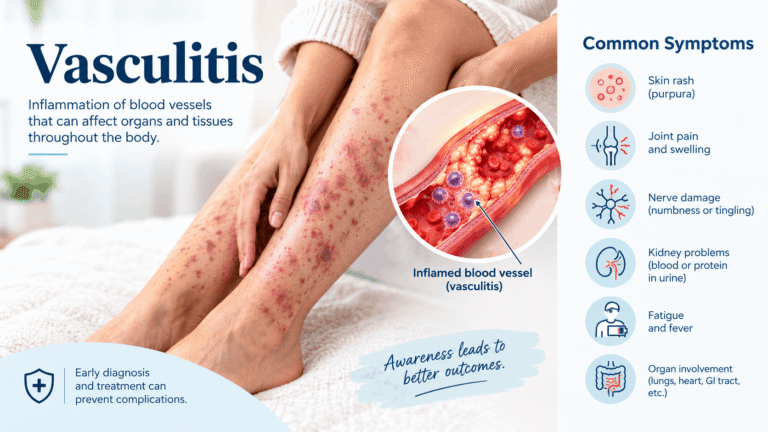
Introduction Vasculitis is a group of medical conditions characterized by inflammation of blood vessels. When blood vessels become inflamed, their walls may…
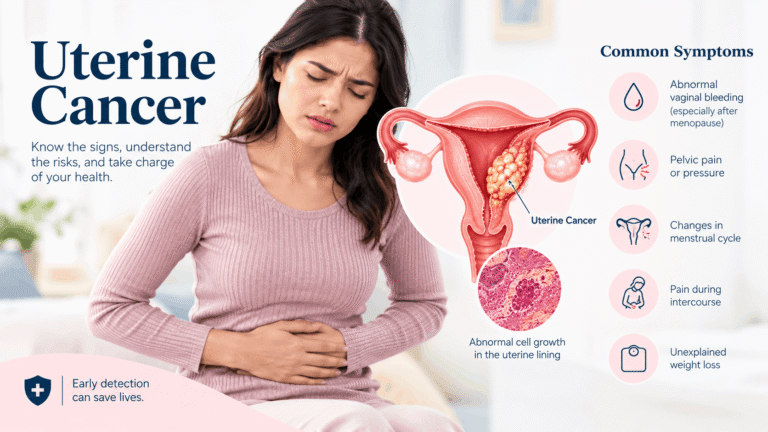
Introduction Uterine cancer is a type of cancer that begins in the uterus, the hollow, pear-shaped organ where a pregnancy develops. It…
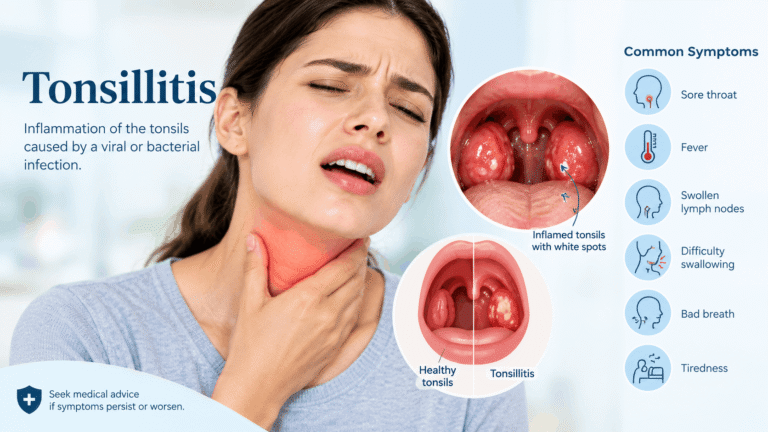
Introduction Tonsillitis is an inflammation of the tonsils, the two small pads of tissue located at the back of the throat. These…
Introduction Whooping cough is a contagious respiratory infection that can cause severe coughing spells and breathing difficulties. Also known as pertussis, this…
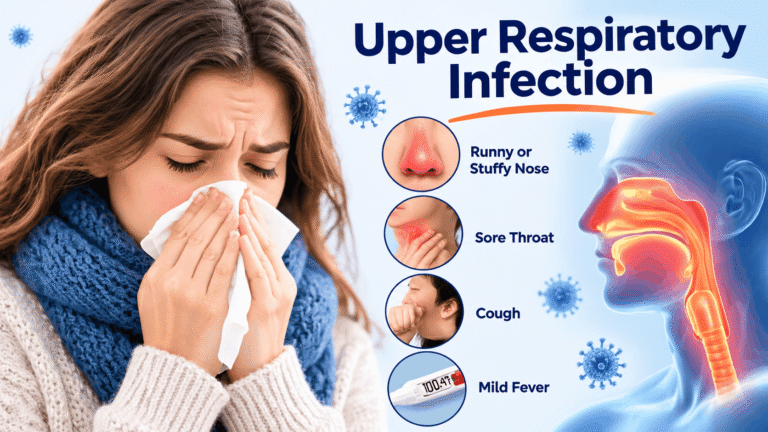
Introduction An upper respiratory infection (URI) is an infection that affects the upper part of the respiratory system, including the nose, sinuses,…
Introduction Salmonella is a type of bacteria that can cause an intestinal infection known as salmonellosis. It is commonly associated with contaminated…
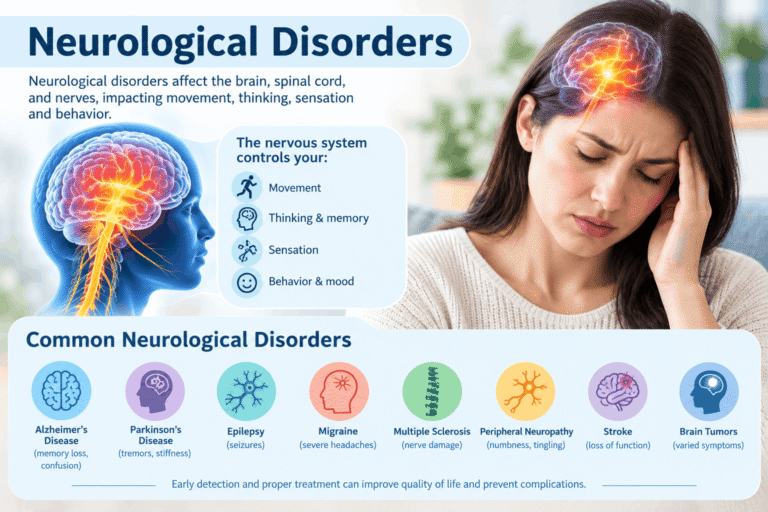
Introduction Neurological disorders are conditions that affect the brain, spinal cord, and nerves throughout the body. These structures form the nervous system,…
Introduction Multiple sclerosis (MS) is a chronic neurological condition that affects the brain, spinal cord, and optic nerves. It develops when the…