Introduction
Ringworm is a common fungal skin infection that can affect people of all ages. Despite its name, ringworm is not caused by a worm or parasite. It develops when certain fungi grow on the outer layer of the skin, producing a rash that often appears as a circular, red, itchy patch. The affected area may have a raised, scaly border and clearer skin in the center, creating a ring-like appearance.
This infection can develop on different parts of the body, including the arms, legs, face, scalp, feet, groin, and nails. Its appearance varies depending on the location and the type of fungus responsible. Ringworm is contagious, but most cases can be treated successfully with antifungal medication and appropriate skin care.
Recognizing the symptoms early can help prevent the infection from spreading to other areas or passing to family members. This guide explains the causes, symptoms, diagnosis, treatment options, prevention strategies, and situations in which medical care is necessary.
What Is Ringworm?
Ringworm, medically known as tinea or dermatophytosis, is a fungal infection caused by fungi called dermatophytes. These organisms use keratin, a protein found in the skin, hair, and nails, as a source of nourishment.
The infection can occur almost anywhere on the body. Its medical name often depends on the affected area. For example, tinea corporis refers to ringworm on the body, while tinea capitis affects the scalp.
Ringworm commonly produces a round or oval rash that gradually expands outward. The skin may become itchy, dry, flaky, or irritated. However, not every case develops a perfect ring, and some infections can resemble eczema or other skin conditions.
Although ringworm is usually not dangerous, untreated infections may spread, cause discomfort, or lead to complications, particularly when the scalp or nails are affected.
Common Symptoms of Ringworm
The symptoms depend on the infected body part, the type of fungus, and the person’s skin characteristics. Some people notice a small patch initially, while others develop several spreading areas.
1. Circular or Ring-Shaped Rash
One of the most recognizable signs is a circular rash with a raised, scaly edge. The center may appear clearer than the surrounding skin, although this pattern is not always present.
The rash may gradually become larger as the fungus spreads across the skin.
2. Itching and Irritation
Ringworm often causes itching, which can range from mild to intense. Scratching may irritate the skin and transfer fungal organisms to nearby areas.
Avoid scratching the affected area whenever possible.
3. Redness and Scaling
On lighter skin, the rash may appear pink or red. On darker skin, it may look brown, purple, gray, or darker than the surrounding area. Dryness, flaking, and a rough texture are also common.
4. Raised Borders
The outer edge may be more noticeable than the center. It can feel slightly raised, scaly, or inflamed.
5. Hair Loss on the Scalp
When ringworm affects the scalp, it may cause scaly patches, broken hairs, itching, and areas of hair loss. Some people develop tender swelling or crusting.
Scalp infections require medical evaluation because topical creams alone usually cannot eliminate the fungus from infected hair follicles.
6. Nail Changes
Fungal infections involving the nails can cause thickening, discoloration, brittleness, or crumbling. Nail infections generally require a different treatment approach from ordinary skin ringworm.
What Causes Ringworm?
Ringworm develops when dermatophyte fungi infect the outer layers of the skin, hair, or nails. These fungi thrive in warm, moist environments, making areas such as the groin, feet, and skin folds more vulnerable.
The infection spreads through direct contact with an infected person, an infected animal, or contaminated objects.
Direct Skin-to-Skin Contact
Touching the affected skin of someone who has ringworm can transfer the fungus. Close physical contact increases the likelihood of transmission.
Contact With Infected Animals
Cats, dogs, and other animals can carry fungi that cause ringworm. An infected animal may have bald patches, scaly skin, or broken hair, but some animals carry the fungus without obvious symptoms.
Children and adults should wash their hands after handling animals and seek veterinary advice if a pet has suspicious skin changes.
Contaminated Personal Items
Fungal organisms can survive on certain surfaces and belongings. Sharing towels, clothing, hairbrushes, hats, bedding, or sports equipment may spread the infection.
Damp and Warm Conditions
Sweaty clothing, wet footwear, crowded changing rooms, and poorly ventilated shoes can encourage fungal growth.
Scratching and Spreading
Scratching an infected patch and then touching another part of the body may transfer the fungus. This can cause additional patches to develop.
Types of Ringworm
The type of ringworm depends on where the infection occurs.
1. Ringworm of the Body
Tinea corporis affects areas such as the arms, legs, trunk, and other parts of the body. It often produces circular, scaly patches that gradually expand.
Treatment usually involves a topical antifungal medication when the infection is limited to the skin.
2. Scalp Ringworm
Tinea capitis affects the scalp and hair shafts. Symptoms can include scaling, itching, broken hairs, and patchy hair loss.
This condition is particularly common in children. Oral antifungal medication is generally necessary because creams do not adequately treat the infection inside hair follicles.
3. Athlete’s Foot
Tinea pedis, commonly called athlete’s foot, affects the feet. It can cause peeling, itching, burning, cracked skin, and irritation between the toes or on the soles.
Walking barefoot in shared showers and wearing damp shoes may increase the risk.
4. Jock Itch
Tinea cruris affects the groin and nearby skin. It often causes an itchy, scaly rash around the inner thighs and groin folds.
Keeping the area dry, changing sweaty clothing, and using appropriate antifungal treatment can help manage the infection.
5. Nail Ringworm
Tinea unguium, commonly called fungal nail infection, can affect fingernails or toenails. The nails may become thick, yellowish, brittle, or distorted.
Treatment may require prescription medication and can take several months because nails grow slowly.
6. Ringworm of the Hands
Tinea manuum affects the hands, often producing dry, scaly skin or thickening of the palms. It may occur alongside fungal infection of the feet.
7. Facial Ringworm
Tinea faciei affects the face and can resemble eczema, acne, or other inflammatory skin conditions. Facial infections may become more irritated if treated incorrectly with steroid creams.
Who Is at Risk of Developing Ringworm?
Anyone can develop ringworm, but certain circumstances increase the likelihood of infection.
Common risk factors include:
- Frequent sweating or prolonged exposure to moisture.
- Participating in contact sports.
- Sharing towels, clothing, or grooming tools.
- Walking barefoot in communal showers or changing rooms.
- Having close contact with infected people or animals.
- Wearing tight, non-breathable clothing.
- Living or working in crowded environments.
- Having a weakened immune system.
- Having another fungal infection, such as athlete’s foot.
Children may be more exposed to scalp ringworm through school, childcare, and close contact with other children.
How Is Ringworm Diagnosed?
A healthcare professional can often identify ringworm by examining the rash and asking about its development, symptoms, and possible exposure.
However, other conditions can produce similar skin changes, so additional testing may be recommended when the diagnosis is uncertain.
Physical Examination
The clinician examines the affected area for characteristic features, including scaling, raised borders, circular patches, and hair loss.
Skin Scraping
A small sample of skin flakes may be collected for examination under a microscope. This can help identify fungal structures.
Fungal Culture
A laboratory may grow a sample of skin, hair, or nail material to determine whether a fungus is present. Culture testing can take longer but may be useful in difficult cases.
Other Tests
Some clinics use additional laboratory methods to identify fungal organisms. A Wood’s lamp may help identify certain infections, but many ringworm-causing fungi do not glow under ultraviolet light, so a negative result does not rule out ringworm.
Professional assessment is especially useful when the rash is spreading, involves the scalp or nails, or fails to improve with treatment.
Ringworm Treatment Options
Treatment depends on the affected body part, the severity of the infection, and whether the diagnosis has been confirmed.
1. Topical Antifungal Creams
Mild ringworm affecting the body can often be treated with over-the-counter antifungal products. Common active ingredients include:
- Terbinafine.
- Clotrimazole.
- Miconazole.
- Other appropriate topical antifungal medicines.
Follow the product instructions or a healthcare professional’s advice about application and treatment duration. Some products are used once or twice daily, depending on the ingredient and formulation.
Apply the medication to the affected area and the surrounding skin as directed. Continue treatment for the recommended duration, even if the rash begins to look better earlier.
2. Oral Antifungal Medication
Prescription antifungal tablets may be needed for scalp ringworm, extensive infections, certain difficult-to-treat cases, or fungal nail infections.
Medicines such as terbinafine or griseofulvin may be prescribed for selected infections. The appropriate medication depends on the fungus, the infection site, the person’s age, other medical conditions, and potential drug interactions.
Oral antifungal medicines can have side effects and may require medical supervision. Do not use prescription tablets without professional advice.
3. Antifungal Shampoos
For scalp ringworm, a clinician may recommend an antifungal shampoo containing ingredients such as ketoconazole or selenium sulfide as an additional measure to reduce fungal spread.
Shampoo alone does not usually cure scalp ringworm. Oral treatment is generally required.
4. Skin Care During Treatment
Good skin care helps reduce irritation and limits the spread of infection.
- Wash the affected area gently.
- Dry the skin thoroughly, especially between the toes and within skin folds.
- Wear clean, breathable clothing.
- Avoid sharing towels and personal items.
- Wash hands after applying medication.
- Change damp socks and sweaty clothing promptly.
Avoid harsh scrubbing, which can further irritate the skin.
How Long Does Ringworm Take to Heal?
The recovery period depends on the location and severity of the infection and the treatment used.
A mild infection on the body may begin improving within several days of appropriate treatment, although complete resolution can take a few weeks. Athlete’s foot and groin infections may also require several weeks of consistent care.
Scalp infections usually require several weeks of oral medication. Nail infections can take months to improve, and a normal-looking nail may take considerably longer to grow out.
If the rash continues to spread, becomes more painful, or does not improve after following the recommended treatment, seek medical advice. The diagnosis may need to be reassessed, or a different treatment may be necessary.
Can Ringworm Spread to Other People?
Yes. Ringworm is contagious and can spread through several routes.
Direct contact: Touching an infected person or animal can transfer the fungus.
Contaminated objects: Towels, bedding, clothing, combs, and other shared items may carry fungal organisms.
Shared surfaces: Certain communal areas, including changing rooms and showers, can contribute to transmission, especially when people walk barefoot.
Self-spread: Scratching an infected patch and touching another area may cause the infection to spread across the body.
To reduce transmission, avoid sharing personal items, keep the affected skin covered when practical, follow treatment instructions, and clean commonly used items regularly.
How to Prevent Ringworm
Prevention focuses on limiting fungal exposure and keeping the skin clean and dry.
Maintain Good Hygiene
Wash regularly and dry the skin carefully after bathing or exercise. Pay particular attention to the feet, groin, and other areas that tend to remain moist.
Avoid Sharing Personal Items
Do not share towels, clothing, hairbrushes, hats, or footwear with someone who has a suspected fungal infection.
Wear Appropriate Clothing
Choose breathable fabrics and change sweaty clothing as soon as possible. Wear clean socks daily and allow shoes to dry between uses.
Protect Your Feet in Shared Areas
Use sandals or shower shoes in communal showers, swimming pool changing areas, and similar environments.
Clean Sports Equipment
Clean shared mats, protective equipment, and other frequently touched surfaces according to the manufacturer’s instructions.
Check Pets for Skin Problems
If a pet develops unexplained hair loss or scaly patches, consult a veterinarian. Wash your hands after handling animals and follow recommended treatment if an infection is identified.
Avoid Sharing Hair Accessories
This is particularly important when scalp ringworm is suspected. Clean combs and brushes appropriately and follow medical guidance regarding close contacts.
Ringworm vs. Other Skin Conditions
Several conditions may resemble ringworm, so appearance alone does not always provide a definite diagnosis.
Eczema: Often causes dry, itchy, inflamed skin and may occur in recurring patches. It does not usually produce the characteristic expanding fungal border, although appearances can overlap.
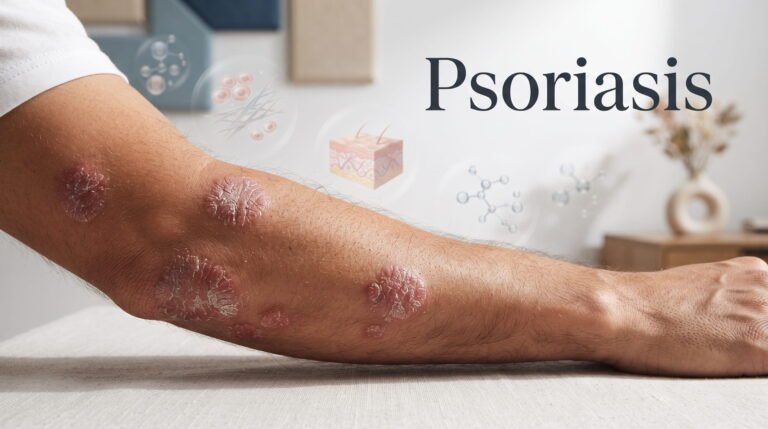
Psoriasis: May cause well-defined, thick, scaly plaques, sometimes on the elbows, knees, scalp, or other areas.
Contact dermatitis: Develops after exposure to an irritating or allergenic substance. Its distribution may correspond to the area of contact.
Pityriasis rosea: Can cause oval, scaly patches, often on the trunk, and may resemble ringworm.
Granuloma annulare: May produce ring-shaped bumps but typically lacks the surface scaling associated with many fungal infections.
A healthcare professional can help distinguish these conditions and recommend appropriate treatment.
Why You Should Avoid Steroid Creams Without Medical Advice
Steroid creams reduce inflammation and may temporarily make a fungal rash look less red or itchy. However, they do not kill the fungus.
Using a steroid cream alone on ringworm can mask its appearance, allow the infection to spread, and make it more difficult to recognize. This altered presentation is sometimes called tinea incognito.
Combination creams containing an antifungal and a potent steroid should not be used routinely without professional guidance. If a rash worsens after using a steroid product, seek medical assessment.
When Should You See a Doctor?
Many limited cases of ringworm respond to suitable antifungal treatment, but medical assessment is important in certain situations.
Contact a healthcare professional if:
- The infection affects the scalp, beard area, or nails.
- The rash covers a large area or continues to spread.
- The affected skin becomes increasingly painful, swollen, or warm.
- There is significant pus, crusting, or fever.
- The rash does not improve with appropriate treatment.
- You are unsure whether the rash is fungal.
- You have diabetes, a weakened immune system, or another condition that increases the risk of complications.
- A child develops patchy hair loss or a painful, swollen scalp.
A severely inflamed scalp infection called a kerion can cause scarring and permanent hair loss if not treated promptly. Seek timely medical attention if this develops.
Possible Complications of Ringworm
Most uncomplicated skin infections resolve with appropriate treatment. However, complications can occur, particularly when the infection is untreated or the diagnosis is incorrect.
Possible problems include:
- Spread to other areas of the body.
- Transmission to family members or close contacts.
- Secondary bacterial infection caused by damaged skin and scratching.
- Temporary or, in severe scalp infections, permanent hair loss.
- Persistent fungal nail changes.
- Recurring infection when treatment is incomplete or exposure continues.
Correct diagnosis, appropriate medication, and good hygiene reduce these risks.
Living With Ringworm
Ringworm can be frustrating because itching and visible skin changes may affect comfort and confidence. The infection is generally manageable, and having it does not necessarily indicate poor personal hygiene.
Use treatment consistently, avoid scratching, and take practical steps to prevent transmission. If the infection involves the scalp or nails, follow the treatment plan carefully because these areas often need longer or prescription-based therapy.
Avoid unproven home remedies such as bleach, concentrated essential oils, or harsh household chemicals. These products may burn or irritate the skin and delay effective treatment.
Conclusion
Ringworm is a common fungal infection that can affect the skin, scalp, feet, groin, and nails. Typical signs include an itchy, scaly rash that may form a circular pattern, although its appearance varies from person to person.
Most limited skin infections respond to appropriate topical antifungal medication. Scalp infections, nail involvement, and widespread or persistent cases may require prescription treatment and professional evaluation.
Keeping the skin dry, avoiding shared personal items, treating infections correctly, and recognizing warning signs can help prevent complications and reduce the risk of spreading the fungus. If a rash is painful, rapidly spreading, or not improving, consult a healthcare professional for an accurate diagnosis and treatment plan.
Frequently Asked Questions (FAQs)
1. What is ringworm, and is it caused by a worm?
Ringworm is a fungal infection caused by dermatophytes that grow on the skin, hair, or nails. It is not caused by a worm or parasite. The name comes from the circular appearance that some infections produce.
2. What does ringworm look like?
Ringworm often appears as an expanding, circular or oval patch with a raised, scaly border. The center may look clearer, but this pattern is not always present. The color can vary according to skin tone.
3. Is ringworm contagious?
Yes. It can spread through direct contact with infected people or animals and through contaminated items such as towels, clothing, and hairbrushes. Appropriate treatment and hygiene help reduce transmission.
4. How do you treat ringworm at home?
A small area of ringworm on the body can often be treated with an over-the-counter antifungal cream, following the product instructions. Keep the area clean and dry, avoid sharing towels, and seek medical advice if the infection spreads or does not improve.
5. How long does ringworm take to go away?
Many mild skin infections improve within a few weeks with appropriate treatment. Scalp infections usually require several weeks of prescription treatment, while nail infections can take months to resolve.
6. Can ringworm go away without treatment?
Some infections may change or improve over time, but ringworm can persist and spread without appropriate treatment. Treatment is recommended to clear the infection and reduce transmission.
7. Can ringworm affect the scalp?
Yes. Scalp ringworm can cause itching, scaling, broken hairs, and patchy hair loss. It usually requires oral antifungal medication because creams and shampoos alone are not sufficient to cure it.
8. Can I use steroid cream on ringworm?
Do not use a steroid cream alone to treat suspected ringworm unless a healthcare professional specifically advises it. Steroids can mask symptoms and allow the fungal infection to worsen or spread.
9. How can I prevent ringworm from spreading?
Avoid scratching, wash your hands after touching the affected area, keep the skin dry, and do not share towels, clothing, combs, or bedding. Follow the recommended treatment and clean shared items regularly.
10. When should I see a doctor for ringworm?
Seek medical advice if the infection affects your scalp or nails, spreads widely, becomes painful or swollen, develops signs of bacterial infection, or fails to improve with appropriate treatment. Children with scalp scaling or patchy hair loss should be evaluated promptly.